How bright does a workshop have to be?
For workshops, DIN EN 12464-1 states values depending on the visual task. Typical guide values for orientation:
| Activity | Typical maintained value |
|---|---|
| General workshop areas, storage | 100 to 300 lx |
| Rough and medium machine work | 300 lx |
| Welding | 300 lx |
| Fine machine work, grinding | 500 lx |
| Bodywork, assembly | 500 lx |
| Painting, spray booths | 750 lx |
| Paint touch-up, colour matching, final inspection | 1.000 lx |
What counts is the actual activity and the current version of the standard. Paint and spray areas may additionally be subject to explosion protection requirements – more on this in the guide Explosion-proof lighting.
Colour rendering: not all paint is the same
For painting, bodywork and quality control, high colour rendering is decisive. Ra 80 is the minimum for workplaces; for colour matching and final inspection it should be considerably higher. Neutral to daylight white colour temperatures make colour deviations easier to spot. More on this in the guide colour temperature and colour rendering.
Avoiding shadows and glare
- Many light points instead of a few bright ones: several luminaires from different directions reduce shadows around machines and under vehicles.
- Trunking above workstations: arranged lengthways above lifts and workbenches, it provides even light.
- Additional task lighting: for fine work and underneath vehicles, hand lamps and task lights complement the general lighting.
- Glare control: shiny surfaces reflect. Luminaires with good glare control reduce distracting reflections.
Rugged luminaires for harsh environments
Dust, oil, grinding sparks and cleaning take their toll on luminaires. Depending on the area, the following are suitable:
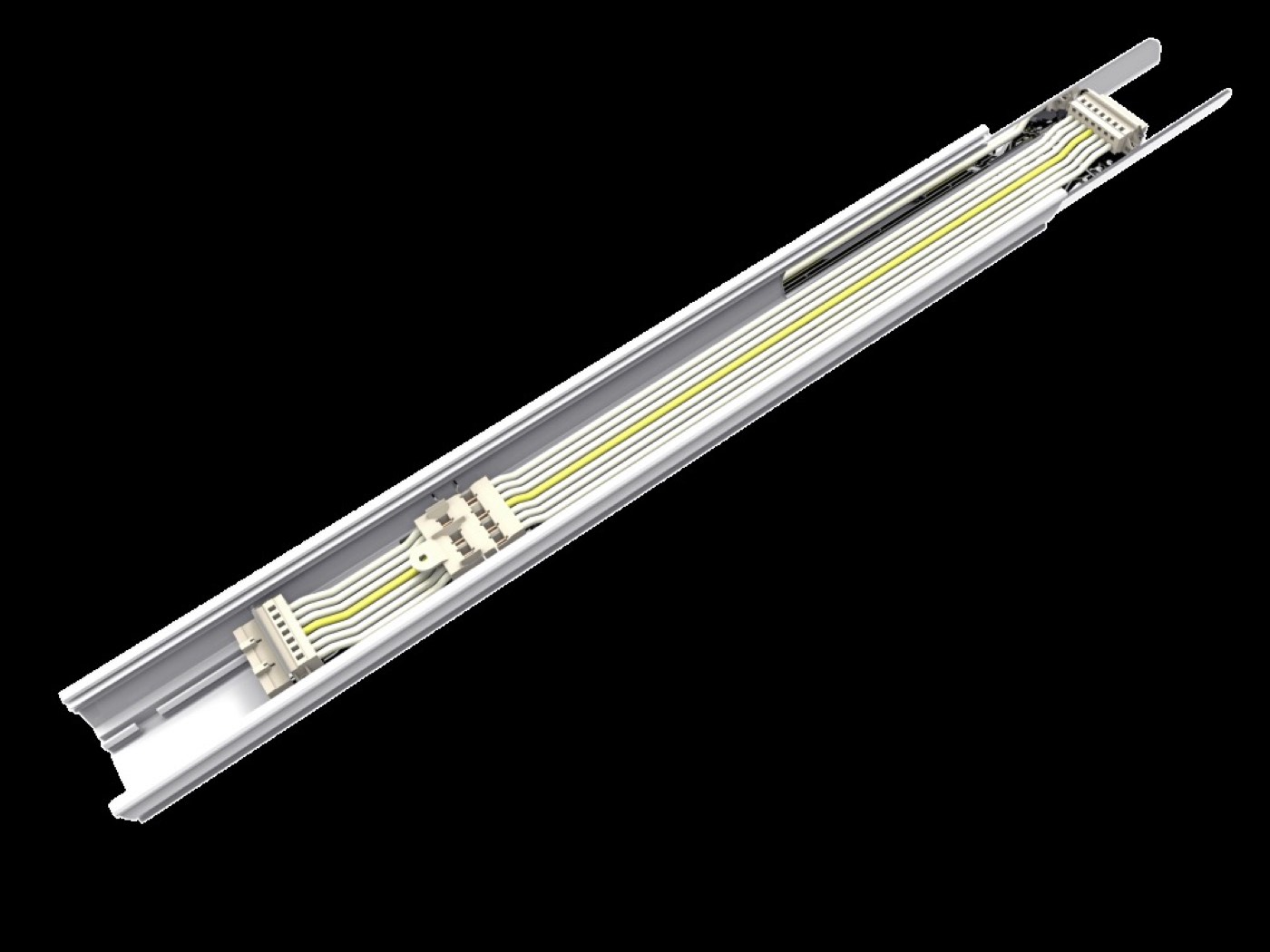
- Series 14 trunking system for even light above workstations and vehicle lifts
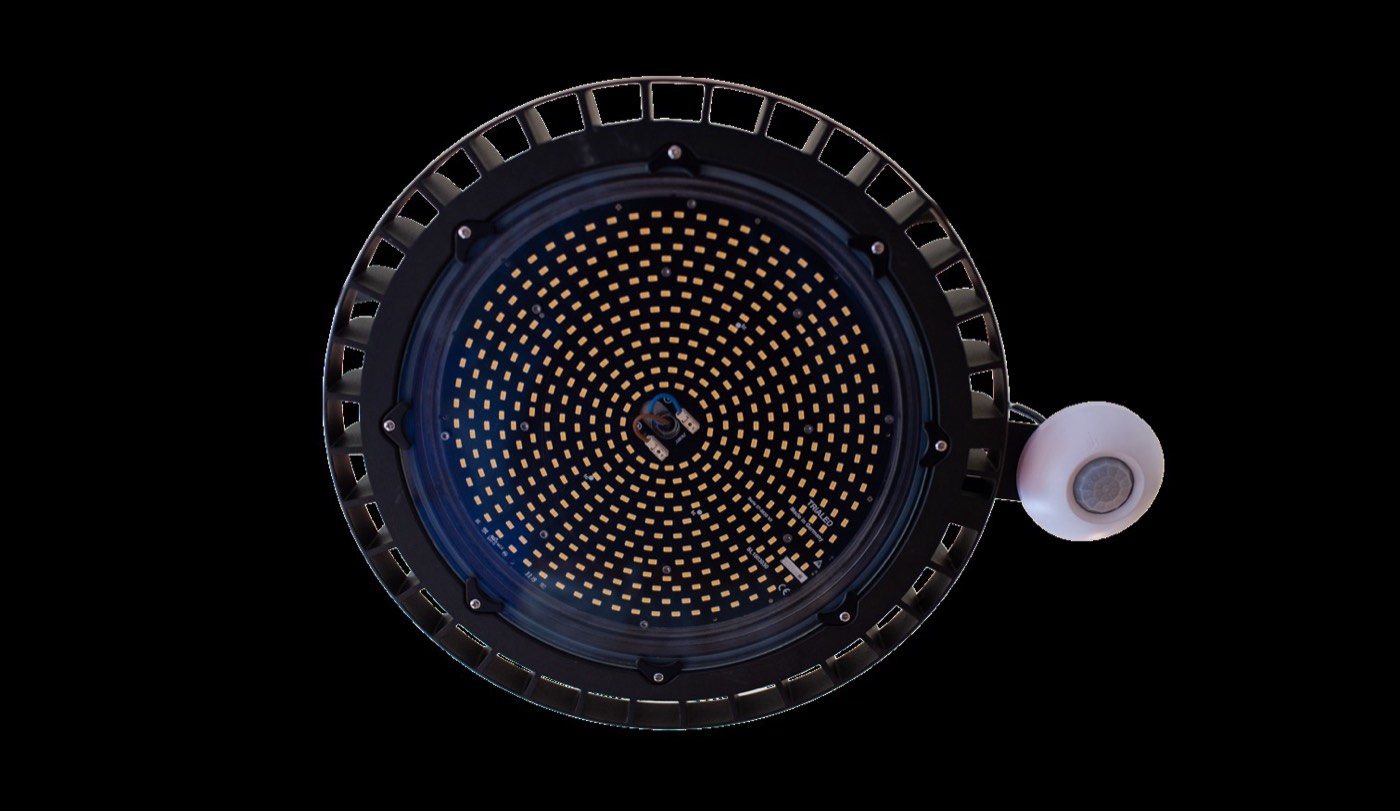
- Series 07 high bay for tall workshop halls
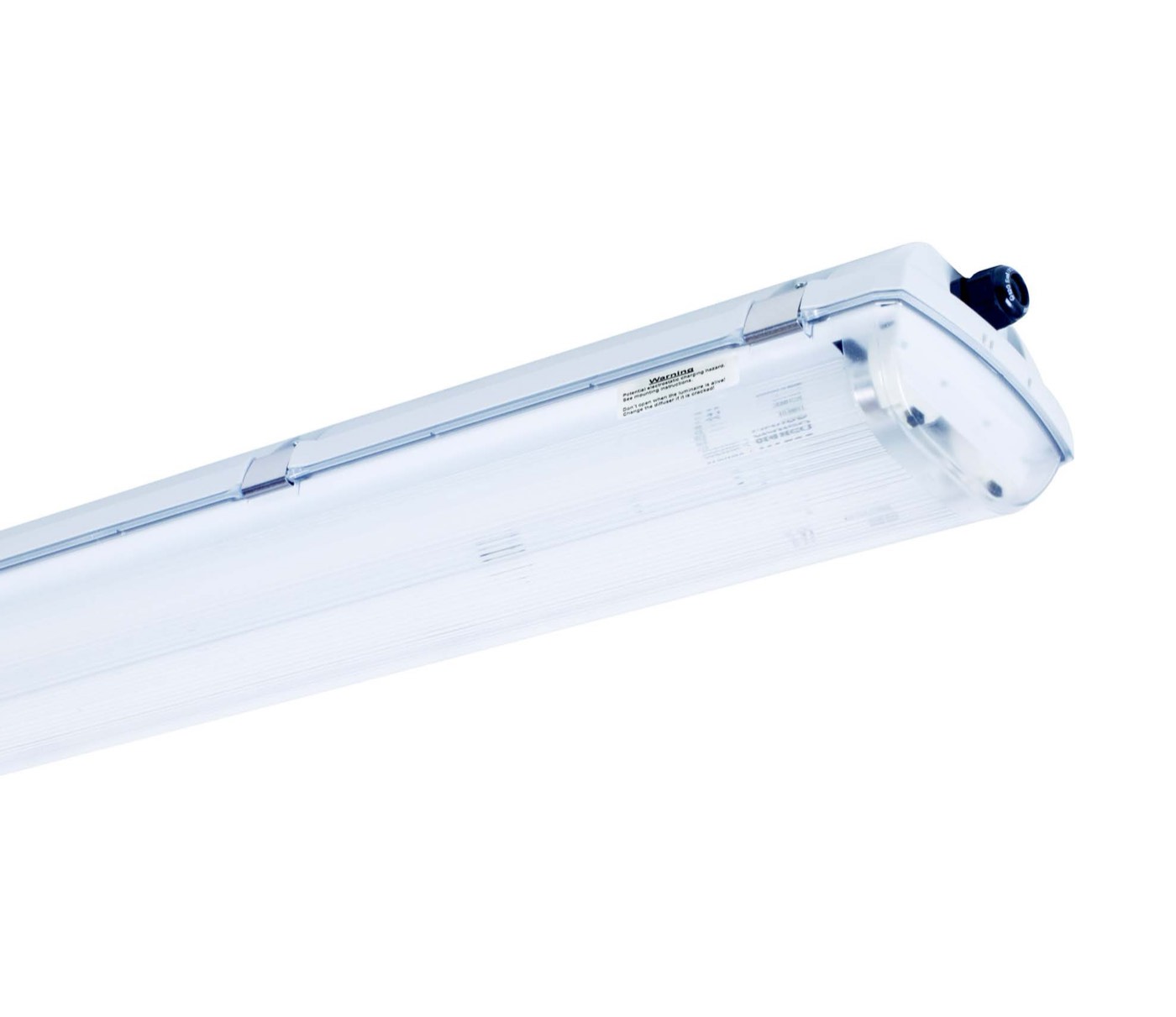
- Series 98 weatherproof luminaire for dusty or damp areas, for example wash bays
- Series 09 industrial luminaire up to IP66 and IK10, also as an Ex version
Cost-effectiveness
Workshops often use many fluorescent lamps, and replacements have become scarcer since the fluorescent tube ban Converting to LED reduces consumption, improves light quality and cuts maintenance. How much you save is shown by the LED savings calculator.
Frequently asked questions
How many lux does a vehicle workshop need?
Typical values are 300 lx for general work, 500 lx for bodywork and assembly and 750 to 1,000 lx for painting, colour matching and final inspection under DIN EN 12464-1.
Which colour temperature is best in a workshop?
Neutral to daylight white light with high colour rendering makes details and colour deviations easier to see.
How do I avoid shadows under vehicles?
With several light points from different directions, trunking along the vehicle lifts and additional task lights.
Which protection rating do I need in a workshop?
In dusty areas and wash bays, high ratings such as IP65 make sense. Explosion protection requirements may apply in paint and spray areas.