Why cold requires special luminaires
- Starting in the cold: fluorescent lamps strike poorly at low temperatures and deliver little light. LEDs are bright immediately.
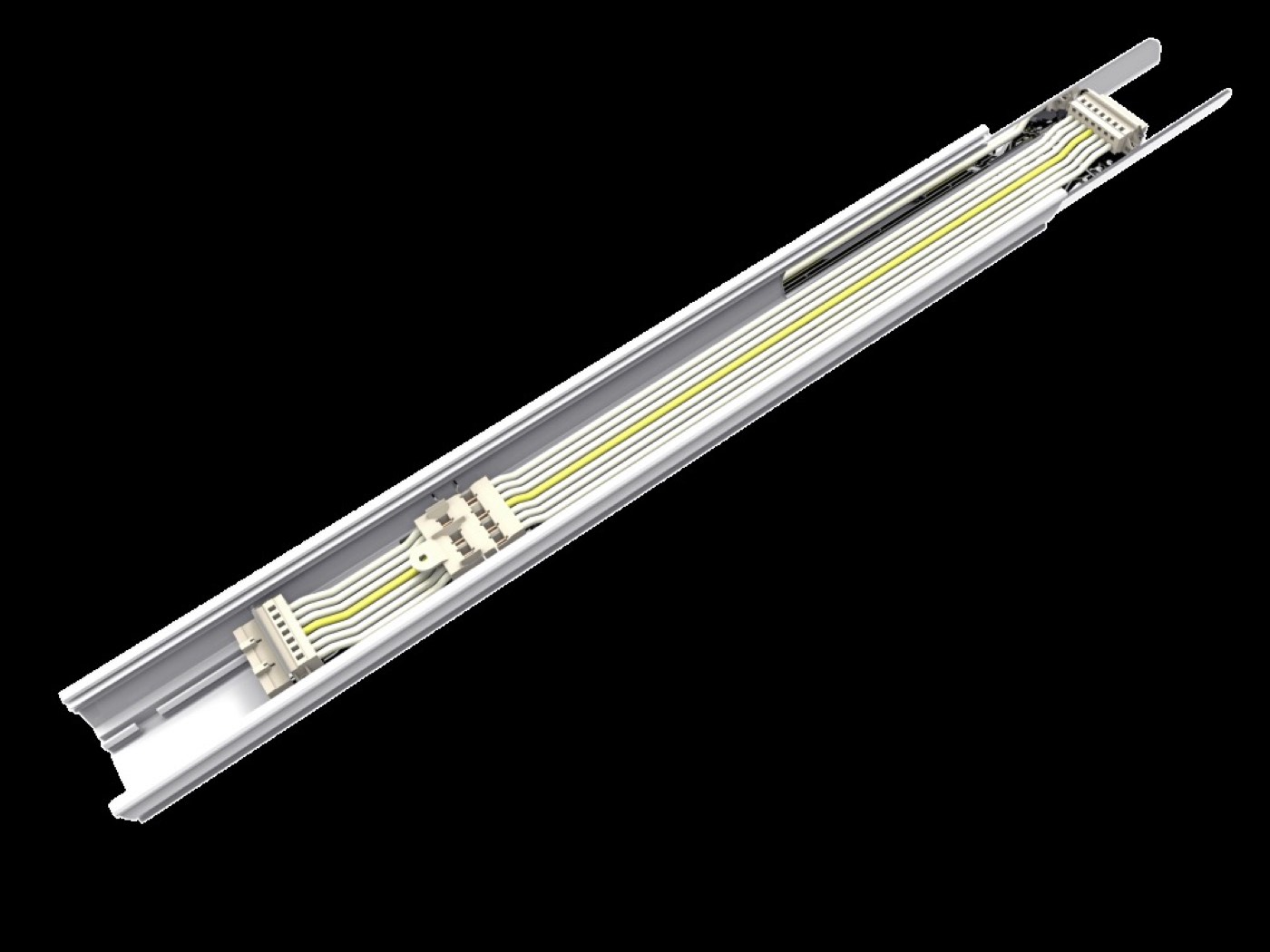
- Temperature range: drivers, cables, seals and plastics have to be approved for the ambient temperature. The Series 10 linear high bay for example is specified for −40 to +50 °C.
- Condensation: temperature and humidity change at doors and airlocks. High protection ratings protect the electronics.
- Materials: some plastics become brittle in the cold. Impact-resistant housings matter where forklifts operate.
Saving twice: light and cooling
Almost all of a luminaire's electrical power becomes heat in the room. In a cold store this heat has to be removed by the refrigeration system. More efficient luminaires therefore reduce two items on the electricity bill: the lighting itself and the additional cooling effort.
50 old luminaires at 250 W each, 24 hours on 365 days: around 109,500 kWh per year
50 LED luminaires at 120 W each: around 52,560 kWh per year
Plus the lower heat load that the refrigeration system no longer has to remove
Sensors in the deep-freeze warehouse
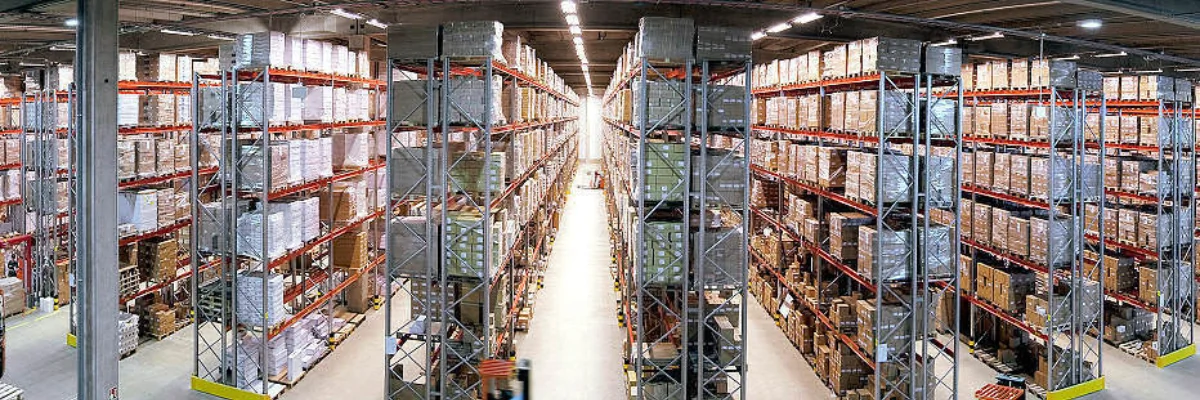
People stay in deep-freeze warehouses as briefly as possible, and many aisles are only entered when goods are put in or taken out. Presence detectors suitable for the temperature range switch the light on there only when needed, or dim it to a base level. Because LEDs can be switched as often as required, this is technically unproblematic. The simulation on the page warehouse lighting shows the principle.
Planning: lux, aisles, doors
| Area | Typical maintained value to DIN EN 12464-1 |
|---|---|
| Storage and cold rooms | 100 lx |
| Manned aisles in high-bay warehouses | 150 lx |
| Order picking, dispatch | 300 lx |
Aisle optics put the light onto the rack fronts. At doors and airlocks, slightly higher illuminance helps the eyes adapt more quickly when moving between bright and dark areas. More on aisle lighting in the guide warehouse lighting.
Frequently asked questions
Do LED luminaires work at minus 30 degrees?
Yes, provided the luminaire, driver and seals are designed for the temperature range. LEDs actually work more efficiently in the cold. Check the permitted ambient temperature range in the data sheet.
Why does LED save twice over in a cold store?
The lighting's power becomes heat in the room that the refrigeration system has to remove. Less power therefore also means less cooling effort.
Which protection rating do I need in a cold store?
Because of condensation and cleaning, high protection ratings such as IP65 are usual. The exact requirement depends on the area and the cleaning regime.
Can I use presence detectors in a deep-freeze warehouse?
Yes, with sensors suitable for the low temperatures. Because LEDs are instantly bright and can be switched frequently, sensors work particularly well there.