Why lighting design makes sense
- Standard-compliant: the calculation proves that the values required by DIN EN 12464-1, DIN EN 12193 or DIN EN 13201 are achieved.
- Not too much, not too little: too little light endangers safety and quality, too much wastes energy and investment.
- Comparable: quotations from different suppliers can be compared on the basis of the same requirements.
- Predictable: the number, position and output of the luminaires are fixed before installation.
How a lighting design project runs
- Site survey: room dimensions, ceiling heights, obstacles, existing luminaires, operating hours and usage. At TRiALED this is part of the lighting audit.
- Defining requirements: which activities take place where? What illuminance, glare control and colour rendering are required?
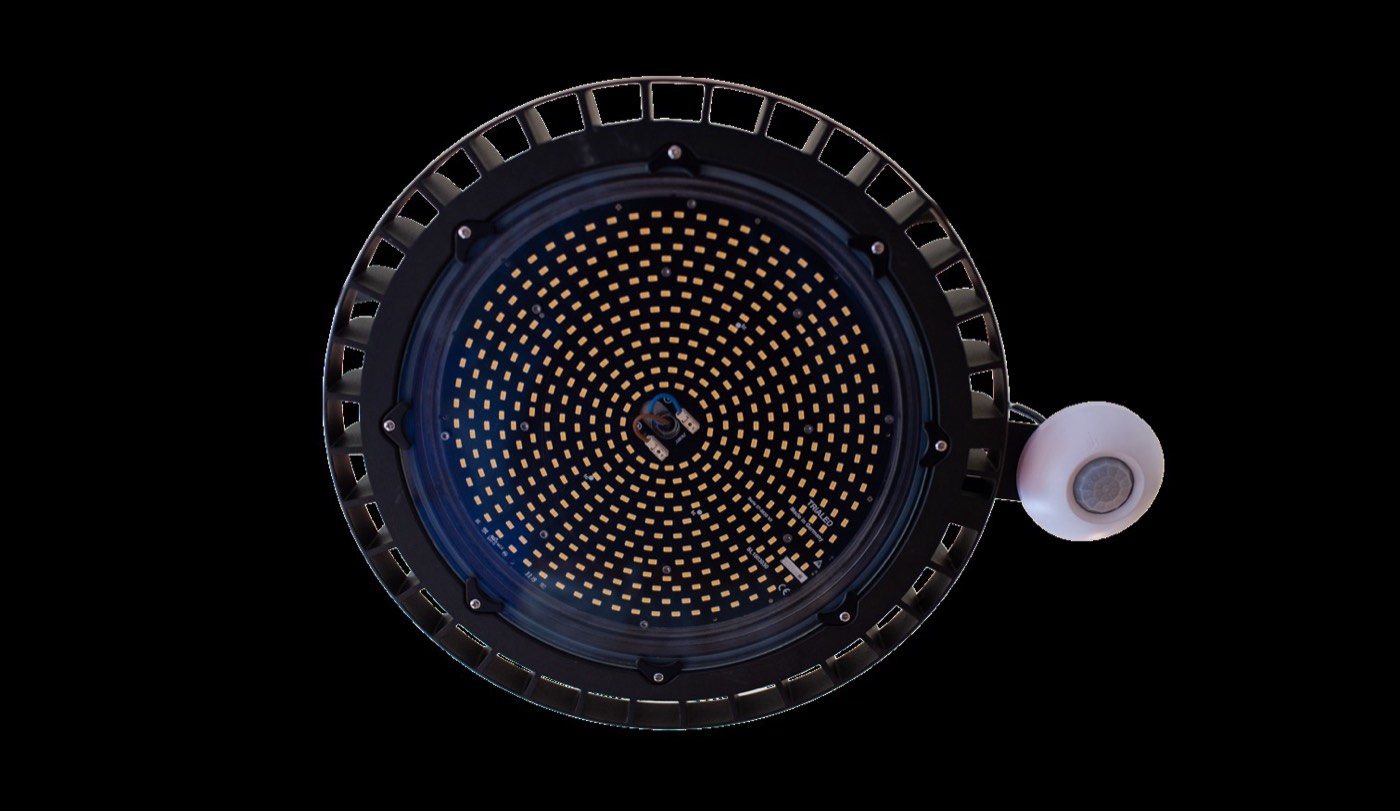
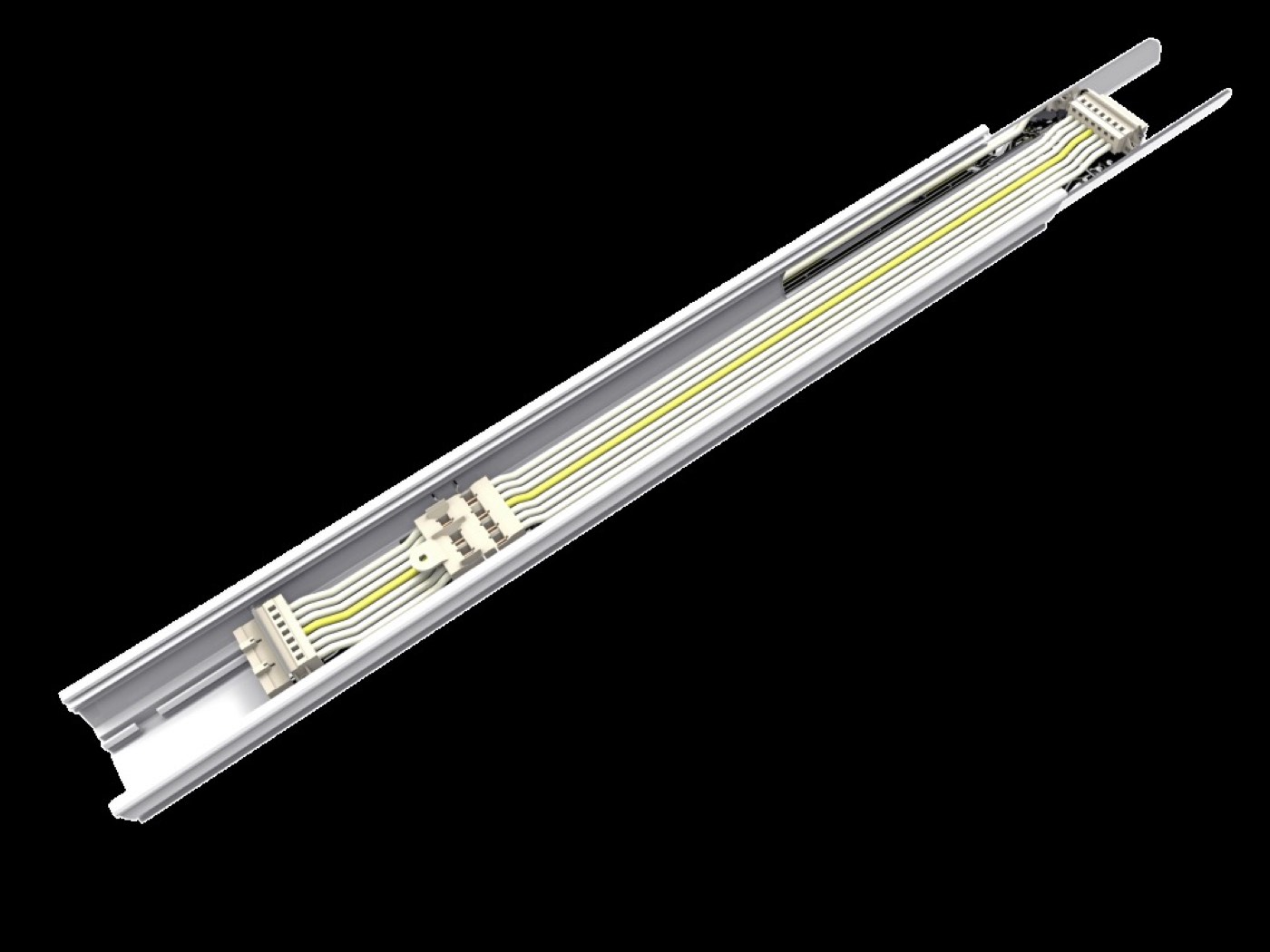
- Luminaire selection: the right form, optic and output, matched to mounting height and environment.
- Lighting calculation: simulation of the space with all luminaires, for example in DIALux.
- Cost-effectiveness: consumption, saving and payback compared with the existing installation.
- Implementation and checks: installation, commissioning, setting up the controls and, if required, measurements on site.
What data does the calculation need?
| Figure | What for |
|---|---|
| Floor plan with dimensions | Room geometry for the simulation |
| Ceiling and mounting height | Choice of optic and luminaire spacing |
| Racking, machines, crane runways | Shadows and possible mounting points |
| Usage and activities | Required illuminance for each area |
| Reflectance of ceiling, walls and floor | Influence of light or dark surfaces |
| Environment: dust, moisture, temperature | Protection rating and maintenance factor |
| Operating hours | Cost-effectiveness calculation and sensors |
The maintenance factor: planning for the future
Standards require maintained values: during operation the illuminance must not fall below the required level. Because luminaires get dirty and LEDs lose luminous flux over the years, the design works with a maintenance factor. It takes into account the LED's lumen depreciation, the failure rate, soiling of the luminaire and the room, and the cleaning intervals.
Luminaires with good lumen maintenance – for example L80B10 at 100,000 hours – allow a more favourable maintenance factor and therefore fewer luminaires for the same required value. More on this in the guide LED service life.
Photometric data: LDT, ULD and DIALux
For the calculation, the software needs the light distribution of every luminaire. Manufacturers supply this as a photometric file, for example in EULUMDAT format (LDT) or as a data set for DIALux (ULD). Since 16 February 2024, TRiALED has been a DIALux Silver Member – lighting designers can use our luminaires directly in their plans.
What you receive as a result
- Luminaire layout with positions and types
- False-colour rendering and isolines of the illuminance
- Proof of average value, uniformity and, where applicable, glare values for each area
- Connected load and estimated annual consumption
- Cost-effectiveness calculation compared with the existing installation
A quick first estimate online
Before the detailed design begins, our online tools give you a first order of magnitude: the LED savings calculator for energy costs and payback, the Online planner for floodlighting, and the Product finder for the right luminaire. The app Sensora supports the planning of the sensors.
Frequently asked questions
What does lighting design cost?
That depends on the size and complexity of the project. Within a specific project we agree the scope of the design together.
Which software is used for the lighting calculation?
DIALux is widely used. TRiALED is a DIALux Member, so the photometric data of our luminaires can be used directly.
What is the maintenance factor?
It accounts for the fact that luminaires get dirty and lose luminous flux over time. The installation is designed so that the required illuminance is still achieved years later.
What is an LDT file?
A photometric file in EULUMDAT format that describes the light distribution of a luminaire. Lighting design programs such as DIALux use it for the calculation.