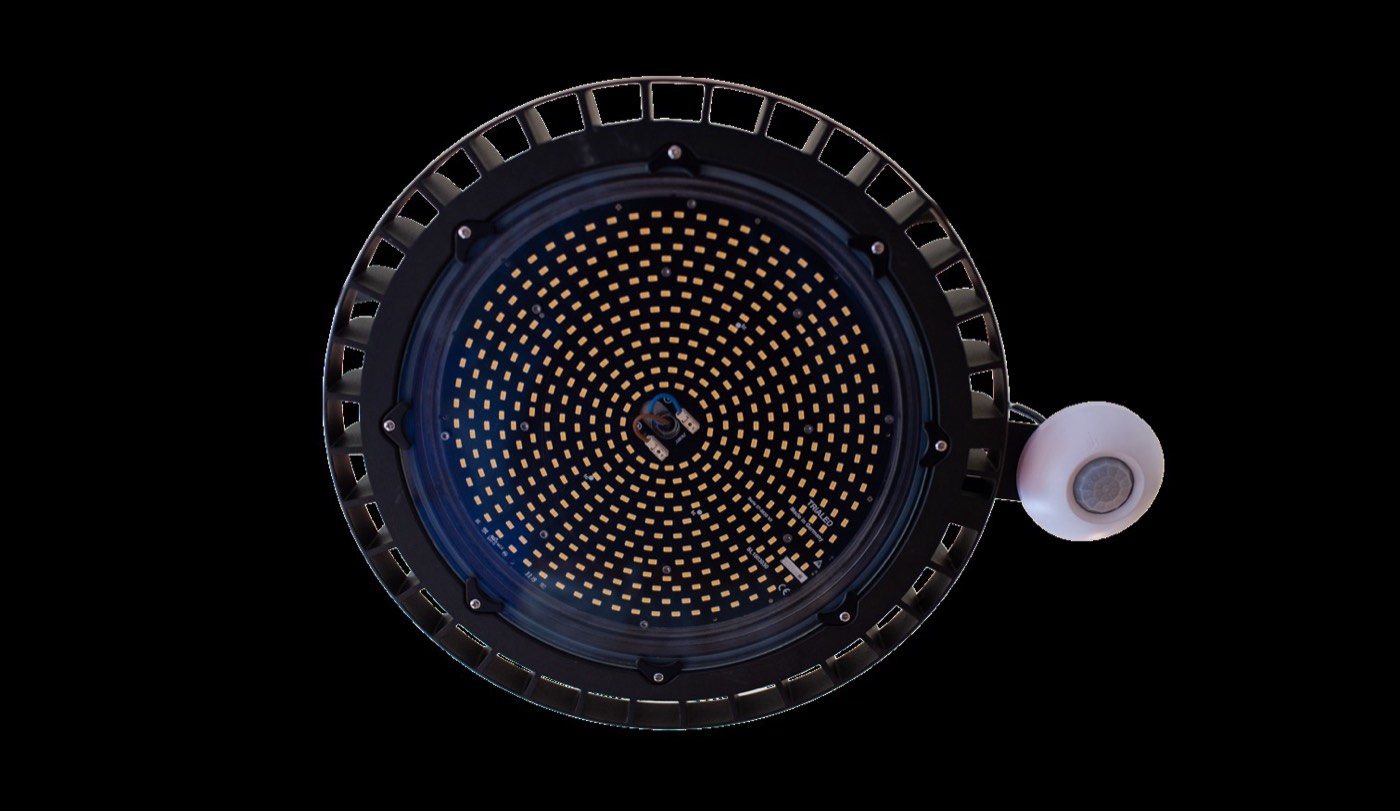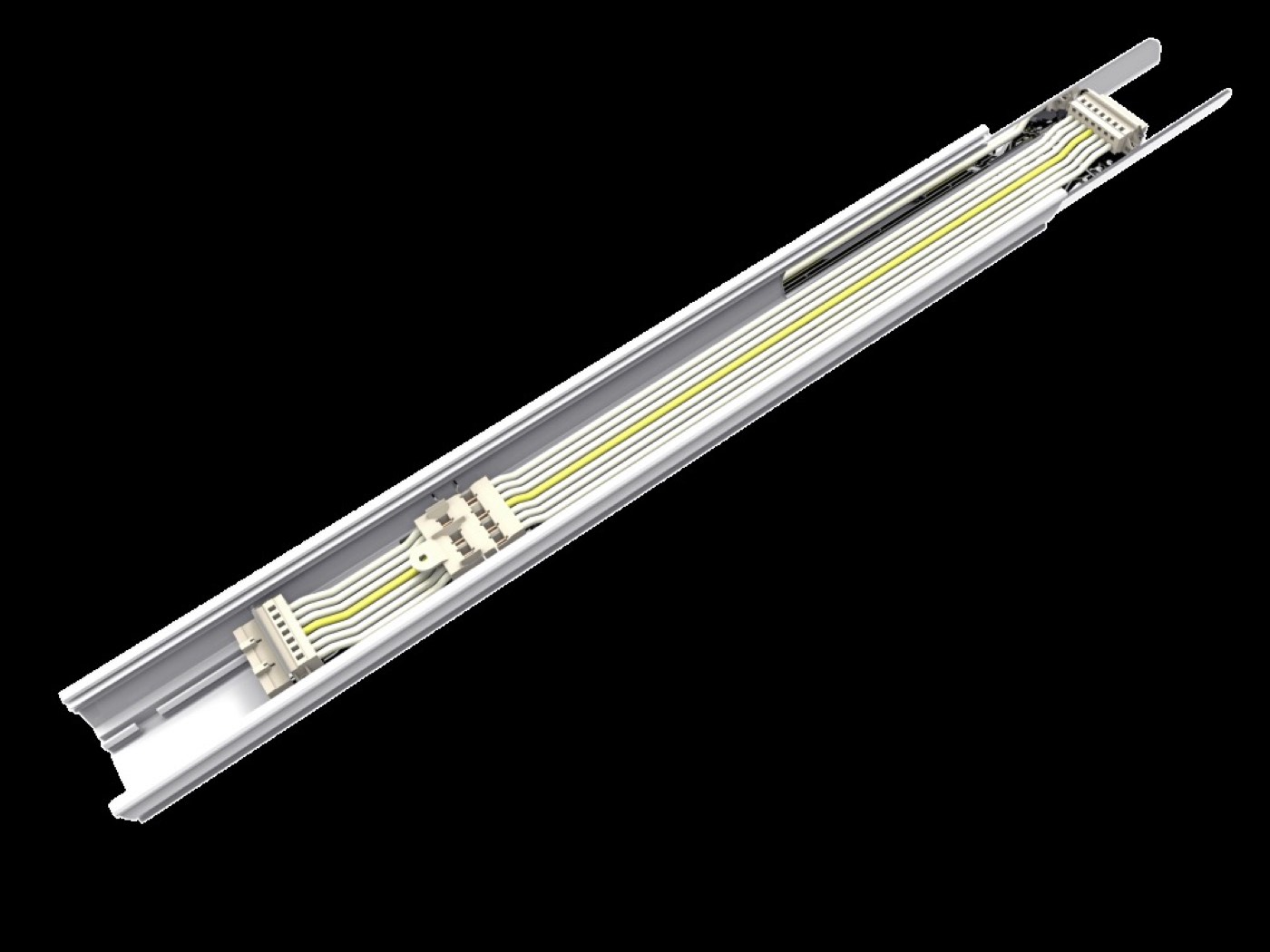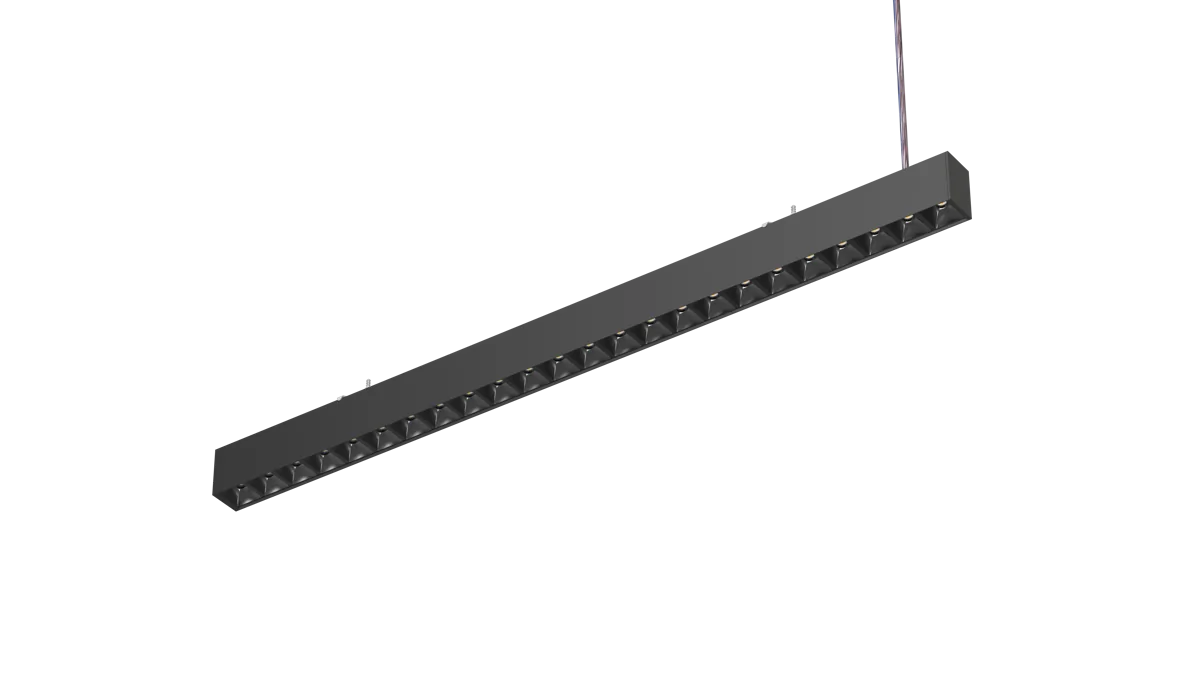
Motion detectors, presence detectors, daylight sensors
| Sensor | Function | Typical use |
|---|---|---|
| Motion detector | Switches on larger movements | Corridors, stairs, ancillary rooms, outdoor areas |
| Presence detector | Also detects small movements, e.g. at a desk | Offices, meeting rooms, workstations |
| Daylight sensor | Measures brightness and dims the artificial light | Halls with roof lights, offices with windows |
| Networked sensors | Many sensors work together and also supply usage data | Large halls, whole sites, smart buildings |
How much do sensors save?
The savings potential depends on how unevenly rooms are used. In a permanently occupied open-plan office it is smaller than in a warehouse with many rarely visited aisles.
Our LED savings calculator typically assumes a 50 % saving from presence and daylight control on the remaining LED consumption, based on measured values from networked lighting controls, and adjusts the figure moderately to usage patterns and staff density.
- At Carl Spaeter in Hamburg LED and Enlighted light management together produced an 89 % saving.
- Im modern office building the lighting energy fell by 61 % with sensors – and the sensors also supplied data on workstation occupancy.
Base light, run-on time and zones
- Base light: In halls and warehouses it often makes sense not to switch empty areas off completely but to dim them to, say, 10 to 20 %. That improves safety and orientation.
- Run-on time: how long does the light stay on after nobody is detected any more? Too short is irritating, too long wastes energy.
- Zones: sensors should be grouped into sensible areas – aisles, workstations, traffic routes.
- Detection area: mounting height and sensor type determine how large the detected area is. Tall halls need sensors designed for them.
Building automation and the EPBD
The European Energy Performance of Buildings Directive (EPBD) aims at more efficient buildings and more building automation. For non-residential buildings above certain system sizes, building automation and control systems are required; transposition into national law is happening step by step. Networked, controllable lighting is one building block. Our luminaires are EPBD and sensor-ready.
Adding sensors later
Sensors can often be introduced together with an LED retrofit. The prerequisite is controllable drivers, for example DALI or 1–10 V. For networked solutions from a single area to a whole site we work with Autani / LiteTrace. Our app supports the planning of sensor positions: Sensora.
Frequently asked questions
What is the difference between a motion detector and a presence detector?
Motion detectors react to larger movements, for example in a corridor. Presence detectors are more sensitive and also detect small movements, for example while working at a desk.
How much energy does a presence detector save?
That depends on the usage. In rarely used areas the potential is large, in permanently occupied rooms smaller. Our savings calculator typically assumes 50 % on the remaining LED consumption.
May the light in a hall go off completely?
That depends on the risk assessment. Empty areas are often dimmed to a base level instead of being switched off completely, to maintain safety and orientation.
Can I add sensors to existing LED luminaires?
If the drivers are controllable, for example via DALI or 1–10 V, usually yes. With non-dimmable luminaires, often only switching is possible.