The interfaces at a glance
| 1–10 V | 0–10 V | DALI / DALI-2 | |
|---|---|---|---|
| Principle | Analogue, passive | Analogue, active | Digital, bus |
| Individually addressable | No, only in groups | No, only in groups | Yes, every luminaire has an address |
| Feedback | No | No | Yes, e.g. status and faults |
| Switching off | Via a separate relay | Via control signal or relay, depending on the system | By command, without a relay |
| Wiring | Additional control cable | Additional control cable | Two-core control cable, usually polarity-free |
| Typical use | Simple dimming, existing installations | Simple dimming, sensors | Offices, halls, building automation |
1–10 V and 0–10 V: simple and proven
With the analogue methods, a control voltage determines the brightness. With 1–10 V the driver provides the voltage and the dimmer or sensor pulls it down – at 1 V the luminaire runs at minimum brightness, and switching off is done via a relay. With 0–10 V the control system itself supplies the voltage.
Important: 1–10 V and 0–10 V are not always compatible with each other. The control system and the driver have to match. Analogue systems are inexpensive and simple, but are mainly suited to group dimming without feedback.
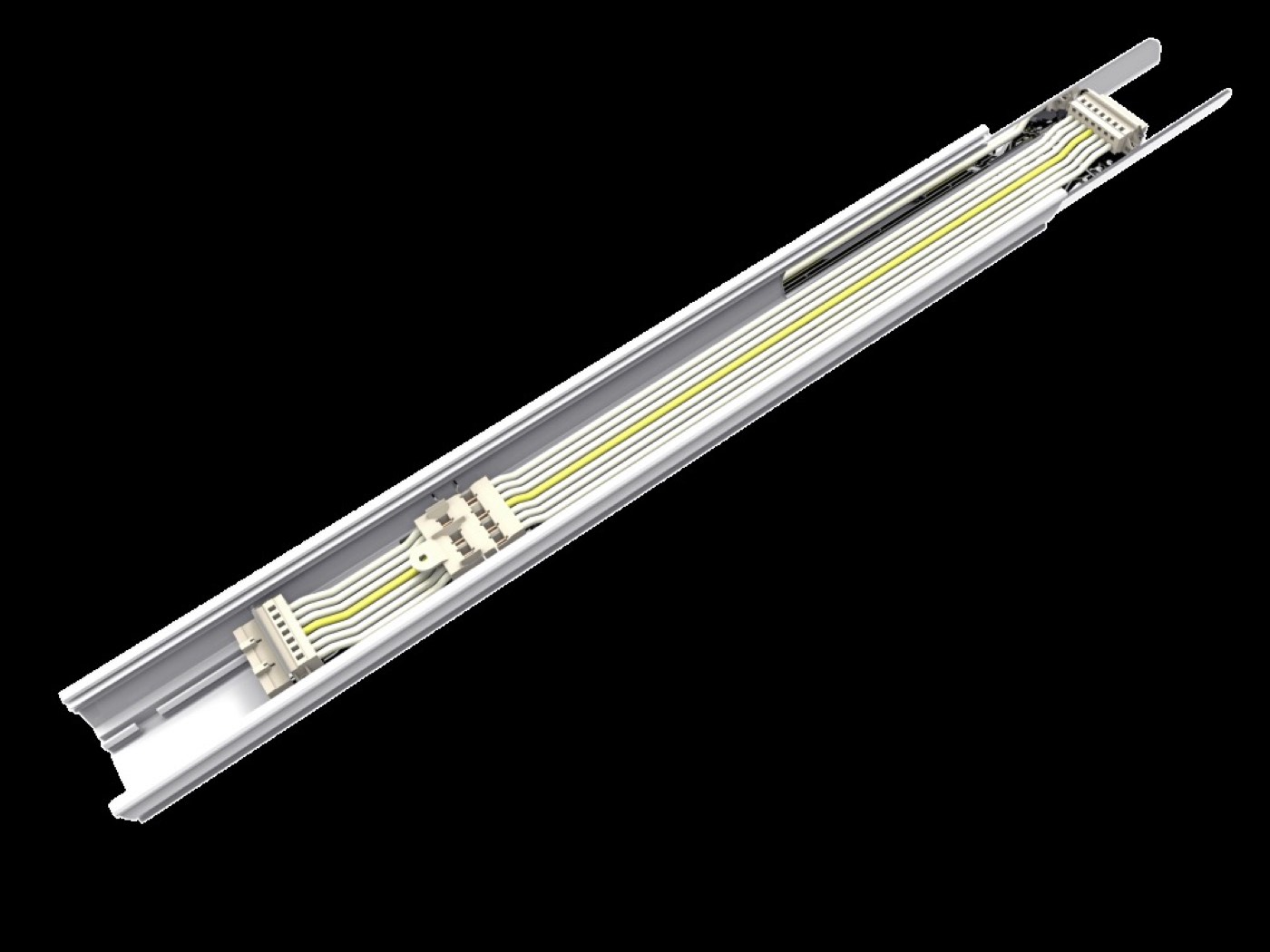
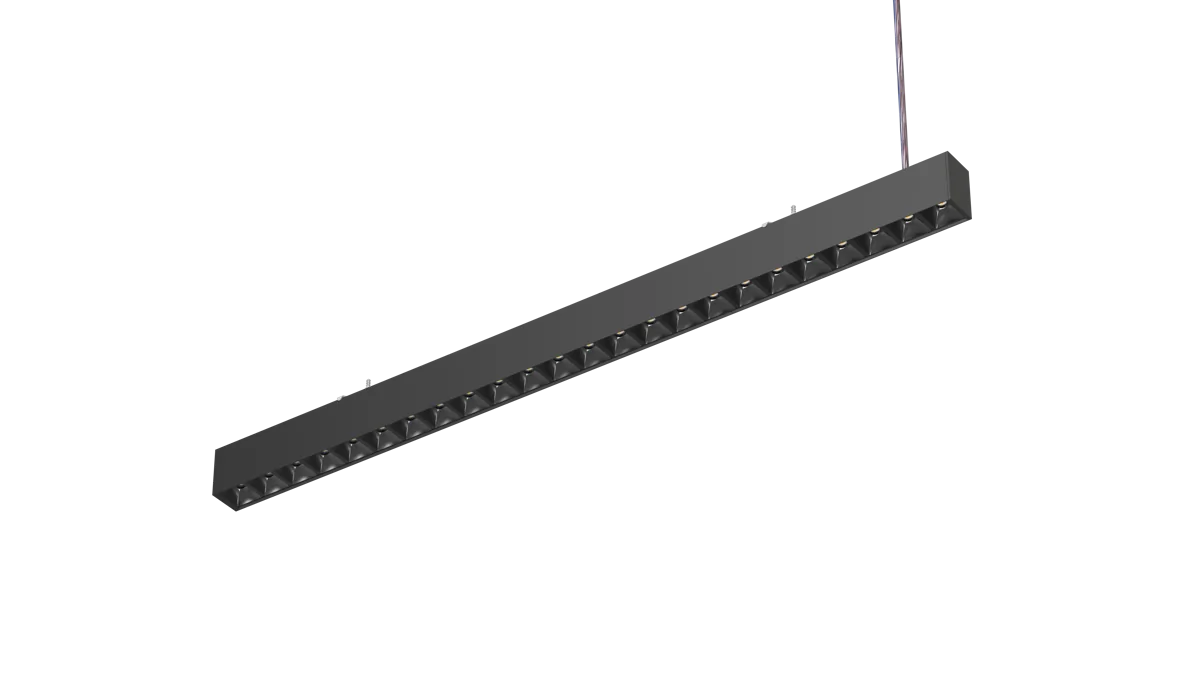
Examples at TRiALED: the Series 10 linear high bay is controlled via 1–10 V, the Series 15 LED retrofit kit has an integrated 0–10 V driver.
DALI and DALI-2: digital and flexible
DALI (Digital Addressable Lighting Interface) is an internationally standardised digital protocol to IEC 62386. Every driver is given an address and can be switched and dimmed individually or in groups.
- Up to 64 drivers per DALI line; several lines can be linked via gateways.
- Groups and scenes are defined by programming – without new wiring.
- Feedback such as lamp faults or status helps with maintenance and monitoring.
- DALI-2 extends the standard with standardised input devices such as switches and sensors and improves compatibility between manufacturers.
Many TRiALED luminaires are DALI-capable, for example the Series 14 trunking system (DALI or 0–10 V), the Series 18 Blackline and the Series 11 LED panel depending on the version.
Which interface suits your project?
- Simple dimming of one group, small budget: 1–10 V or 0–10 V.
- Presence and daylight sensors in many zones: DALI or a networked light management system.
- Integration into building automation or KNX: DALI via a gateway. In the Rehberghalle in Roßdorf the new lighting was integrated into an existing 0–10 V KNX control system.
- Monitoring, maintenance alerts, occupancy data: DALI or networked sensors such as Autani / LiteTrace.
Interface and sensors
Presence detectors and daylight sensors need dimmable luminaires. Whether you use analogue sensors with 1–10 V, DALI-2 sensors on the bus or a wireless light management system depends on room size, zones and data requirements. How much sensors save is explained in the guide Presence detectors and light control.
Experience the sensorsLight only where someone is.The interactive simulation shows how presence detectors work.Frequently asked questions
What is the difference between DALI and 1–10 V?
1–10 V is an analogue control system that dims luminaires in groups. DALI is digital: every luminaire is individually addressable, groups and scenes can be programmed and luminaires report their status back.
How many luminaires can I connect to one DALI line?
Up to 64 drivers per DALI line. Larger installations are built with several lines and gateways.
Are 0–10 V and 1–10 V the same?
No. With 1–10 V the driver supplies the control voltage, with 0–10 V the control system does. The systems are not automatically compatible.
What is DALI-2?
The further development of the DALI standard. DALI-2 also standardises input devices such as switches and sensors and improves compatibility between devices from different manufacturers.