HQL, HQI, NAV: what applies legally
| Lamp type | Status |
|---|---|
| High-pressure mercury vapour lamps (HQL) | Stricter efficiency requirements have applied since 13 April 2015, and the RoHS exemption for their mercury has expired. Since 31 December 2018, manufacture, import and export for general lighting have been banned under the EU Mercury Regulation. |
| Metal halide lamps (HQI, HCI) | Still permitted if they meet the efficiency limits of Ecodesign Regulation (EU) 2019/2020. The RoHS exemption for their mercury applies until 24 February 2027 as things stand. |
| High-pressure sodium lamps (NAV) | For general lighting, the RoHS exemption also applies until 24 February 2027. For certain types with improved colour rendering, it already expired in 2023. |
For metal halide and high-pressure sodium lamps, the industry association LightingEurope applied for an extension of the exemptions in 2025. They remain valid until the European Commission has decided. How long these lamps will remain available is therefore open – it cannot be planned for.
What an old HQL or HQI hall really consumes
The ballast adds to the lamp wattage. A 400 W lamp with ballast therefore draws more than 400 W; since 2017, ballasts in this power class only need to achieve an efficiency of at least 90 %. On top of that, the luminous flux of discharge lamps falls over the years – the hall gets darker, while consumption stays the same.
- Warm-up time: After switching on, discharge lamps take several minutes to reach full light and need a cooling pause after being switched off. This makes presence detectors practically unusable.
- LED, by contrast: full light instantly, can be switched and dimmed as often as needed – the prerequisite for sensors to dim down empty areas.
- Maintenance: Changing lamps at great height requires aerial work platforms and barriers. LED luminaires with a long service life reduce this effort significantly.
An LED lamp in the old high bay?
There are LED lamps with E27 or E40 bases that are screwed into existing HQL or HQI luminaires. That sounds simple, but it has limits:
- Responsibility: The ZVEI white paper "Retrofitting luminaires" requires anyone retrofitting with conversion lamps to carry out their own risk assessment. If the modification is substantial, a new conformity assessment and CE marking are required – whoever retrofits then becomes the manufacturer.
- Test marks: The test marks of the original luminaire are suspended after a retrofit.
- Technology: Whether the lamp works thermally and photometrically in the luminaire depends on the luminaire. Reflectors built for a discharge lamp often distribute the light of an LED lamp differently.
- Old components remain: the lamp holder, wiring and housing are as old as before.
For fluorescent tubes, modules and conversion kits offer good ways of keeping the fitting – more on this in the guide Replacing fluorescent tubes with LED. For HQL and HQI high bays, replacing the entire luminaire is usually the cleaner solution.
The LED solution: high bays, trunking systems, linear high bays
| Previously | Typical LED replacement | TRiALED |
|---|---|---|
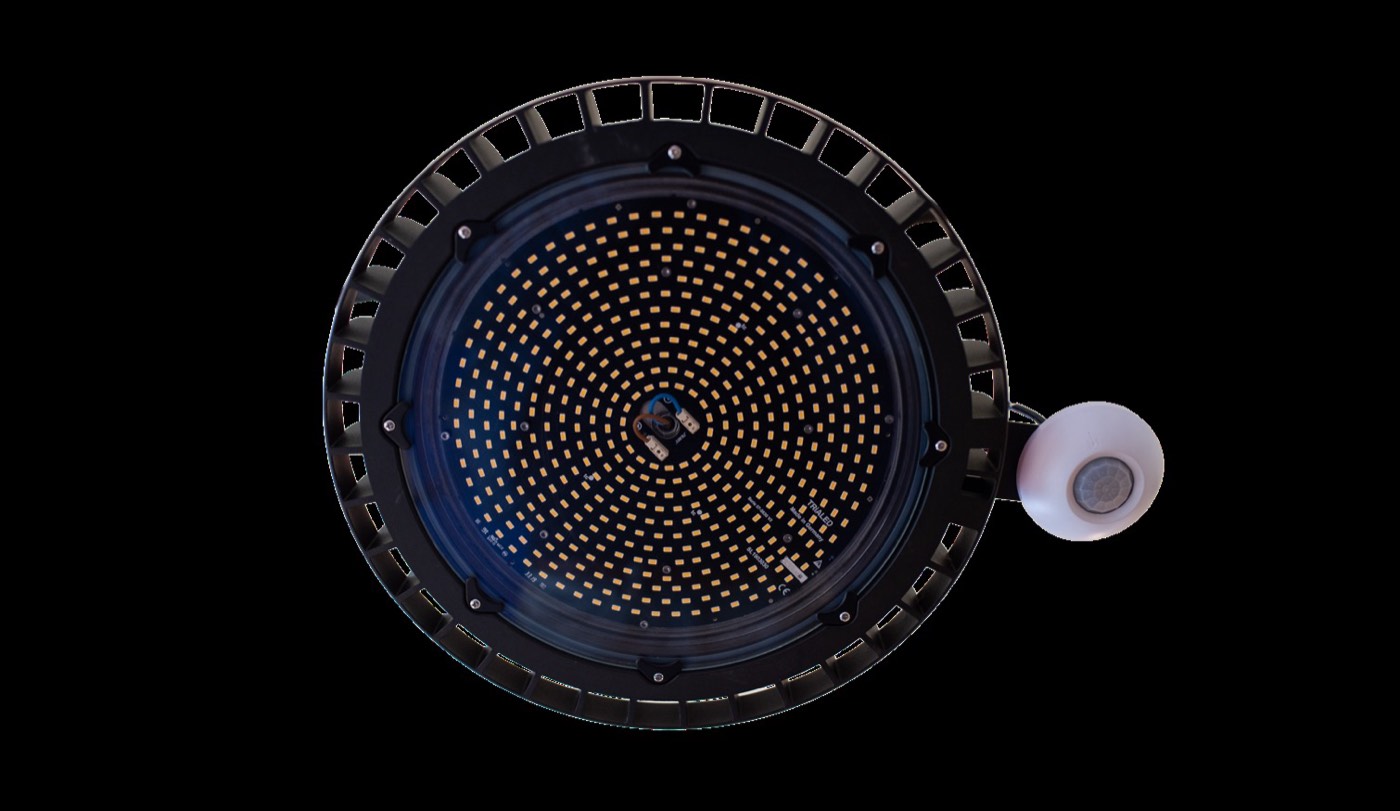
| HQL or HQI high bays in tall, open halls | LED high bay | Series 07 high bay: 115 to 1,200 W |
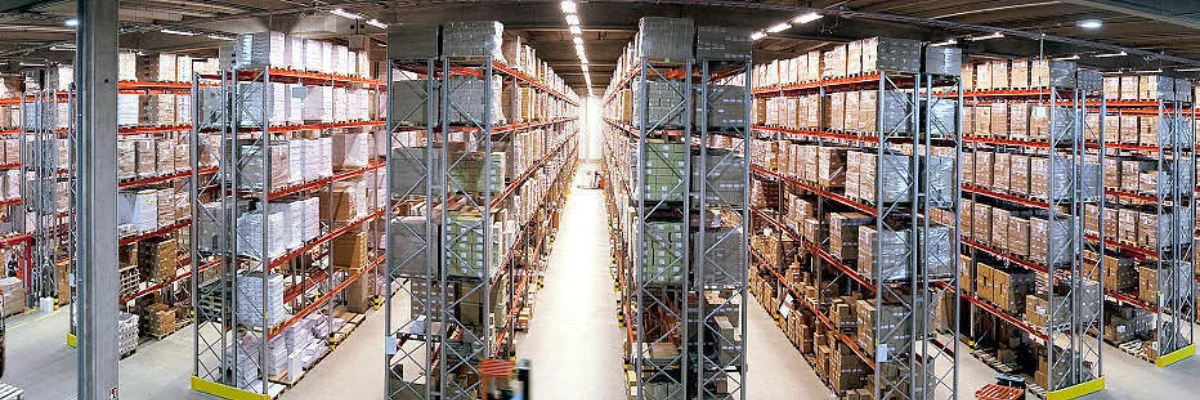
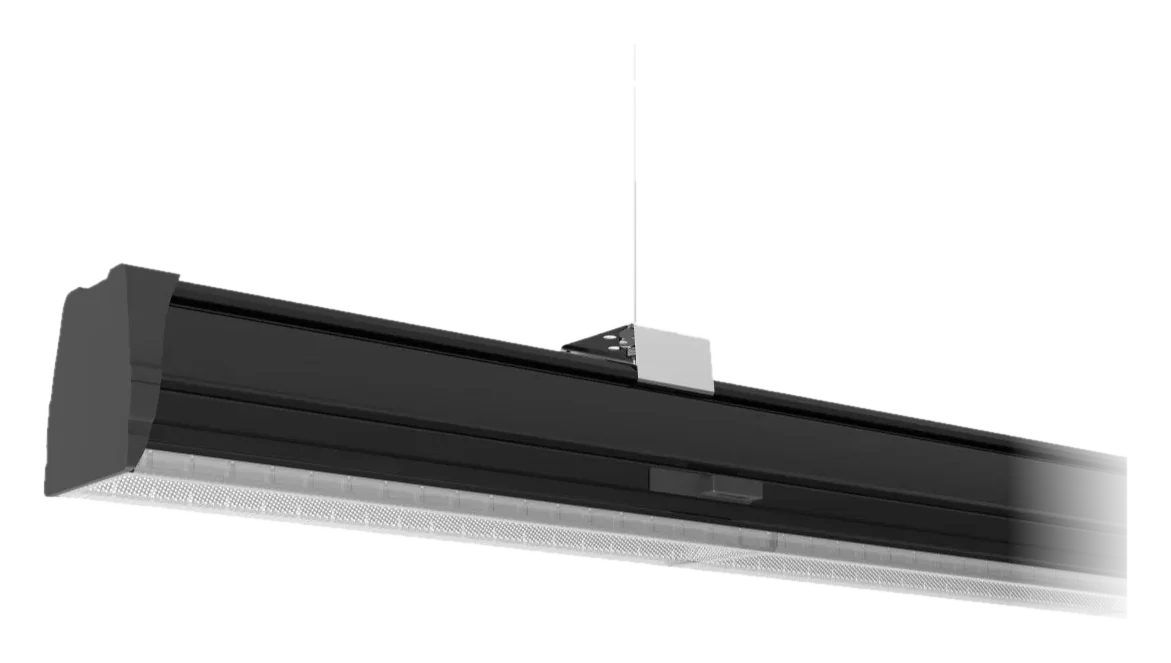
| High bays above racking aisles and long areas | Trunking system or linear high bay | Series 14 trunking, Series 10 linear high bay |
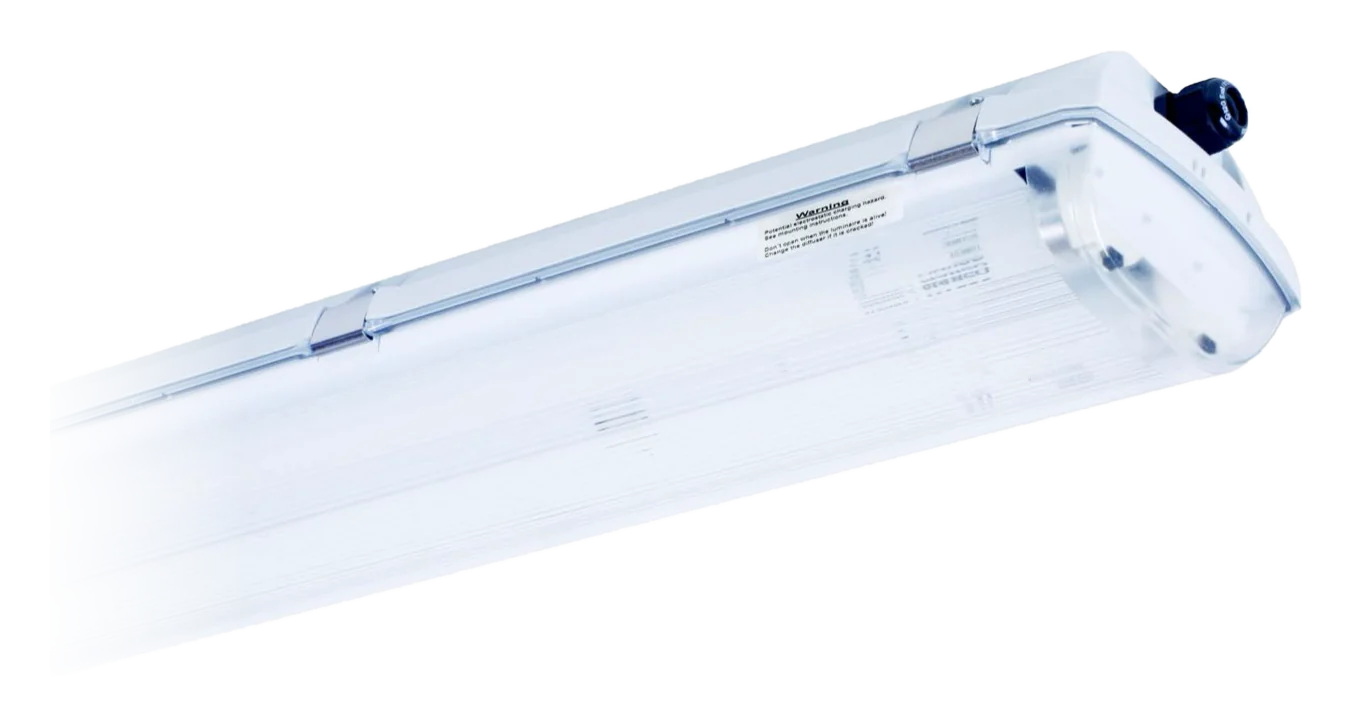
| High bays in dusty or wet areas | Industrial luminaire with high protection rating | Series 09 industrial luminaire: up to IP66 and IK10 |
| HQI or NAV floodlights outdoors | LED floodlight | Series 12 floodlight |
What matters is a lighting calculation rather than a 1:1 swap by wattage: LED luminaires distribute light differently, and different positions or fewer light points are often enough. For very high halls, see our page on Heat layering: under the roof it gets warm for the electronics.
In the industrial projects in our case studies, savings with LED and light management were 74 to 89 % of lighting energy. How a retrofit works is described on the page LED retrofits in industry.
LED savings calculatorWhat can your lighting save?Energy costs, CO₂ and payback in just a few minutes.Frequently asked questions
Are HQL lamps banned?
Yes, practically completely for general lighting. Since 31 December 2018, high-pressure mercury vapour lamps for this purpose may no longer be manufactured, imported or exported in the EU under the Mercury Regulation. Existing installations may continue to be operated.
Are HQI lamps still available?
Yes. Metal halide lamps are still permitted if they meet the efficiency limits of the Ecodesign Regulation. The RoHS exemption for their mercury applies until 24 February 2027 as things stand; an extension has been applied for, and the European Commission's decision is pending.
May I continue to operate my HQL or HQI installation?
Yes. The bans and efficiency requirements concern placing new lamps on the market, not the operation of existing installations. However, replacement lamps are becoming scarcer.
Can I screw an LED lamp into the old HQL luminaire?
Technically often yes, but with consequences: according to the ZVEI white paper, anyone retrofitting with conversion lamps must carry out their own risk assessment, the luminaire's test marks are suspended, and the reflector and housing remain as old as they were. A new LED luminaire is usually the better choice.
What replaces a 400 W HQI high bay?
That depends on hall height, use and the required illuminance, not on the wattage. In tall, open halls it is usually an LED high bay; above racking aisles, more likely a trunking system or linear high bay. The lighting calculation determines the right wattage and number.